

Peoples Bank & Trust
Updated Fri March 27, 2026
Published Under: Financial Literacy Personal Finance Save Money Savings
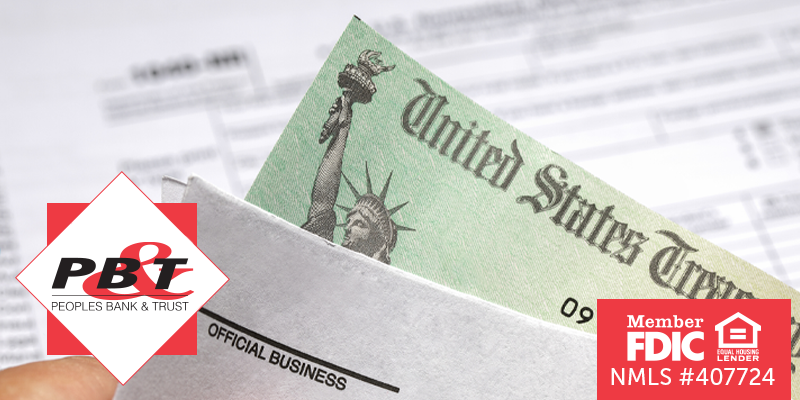
A tax refund can feel like a reset button. For some households, it’s breathing room. For others, it’s a rare chance to make real progress on a goal without rearranging the monthly budget.
But refunds have a way of disappearing, especially when life is busy. The easiest way to make your refund count is to decide, ahead of time, what outcome you want most.
Think of it like this: What would help you most right now—relief, stability, or momentum?
Below are six “next best moves” to match those goals, plus simple ways to make your plan stick.
On This Page (Jump To)
- Relief: If High‑Interest Debt Is Draining You
- Momentum: If You Want to Pay Off a Loan Faster
- Stability: If You Need an Emergency Buffer
- Future Goals: If You Have a Timeline and Want a Fixed Plan
- Less Stress Later: If You Have Upcoming Expenses
- Balanced Progress: If You Want to Split It Without Overthinking
- Tax Refund FAQs: Quick Answers
1. If High‑Interest Debt Is Draining You, Buy Yourself Breathing Room
If you’re carrying high-rate credit card debt, using a refund here can reduce your balance and shrink the interest you pay month after month. That often creates more flexibility in your budget than people expect.
A quick “yes” check:
This is a strong move if:
- You’re paying double-digit interest on your debt
- The balance isn’t dropping much even with regular payments
- Debt stress is crowding out other goals
Make it work harder for you:
- Put the refund toward the highest-interest balance first
- Then keep your usual payment amount going (so you accelerate the payoff)
PB&T tip to help it stick: Set up account alerts or budgeting tools so you can track progress and avoid “debt creep” afterward. PB&T online banking includes account alerts and My Money Manager budgeting tools.
Read More: 5 Debt Traps That Could Be Costing You—and How to Avoid Them
2. If You Want to Pay Off a Loan Faster, Target the Principal
For installment loans (like a mortgage or other term loans), directing a refund toward principal can shorten the loan and reduce total interest over time.
Why this works:
Principal payments reduce the amount interest is calculated on, so even a one-time payment can create long-term impact.
Smart approach for doing this:
- Confirm how to apply it (some loans need the payment designated as “principal-only”)
- Ask for a quick payoff comparison (what changes if you pay $X toward principal?)
If you’re not sure what a principal-only payment would change for your specific loan, we can walk through the numbers with you so you know the tradeoffs.
Ask Us About Principal Only Payments
3. If You Don’t Have a Safety Net, Build a Buffer First
An emergency fund isn’t exciting, but it protects everything else you’re trying to do. If your savings is thin, a refund is one of the fastest ways to build stability without changing your monthly routine.
Simple targets that feel doable:
- Start with $1,000–$2,000 as a “pressure relief” buffer if you can
- Then build toward 3–6 months of essential expenses over time
Make it easier to keep separate:
Putting the funds in a dedicated savings account helps you avoid spending it accidentally, and setting up automatic transfers can keep the momentum going.
PB&T tip: Use online banking transfers and alerts so you can grow savings gradually and notice changes early.
Learn More: Emergency Fund vs. Savings Account: What’s the Difference?
4. If You Have a Timeline (Vacation, Car, Down Payment), Use a “Locked-In” Option
If you won’t need the money right away, a Certificate of Deposit (CD) can turn a one-time refund into predictable growth, especially for goals with a clear timeframe.
CDs can be a good fit when:
- You’re saving for something 6–24+ months out
- You prefer certainty over guesswork
- You don’t want the temptation to spend it
Quick comparison:
- Savings account: easier access, flexible
- CD: structured timeline, fixed plan, less temptation
If you want help picking a term that matches your goal date, we can talk it through. You can also open an account online through Peoples Bank & Trust—we make it easy!
Explore Savings Accounts & CDs
5. If You Have Big Expenses Coming, Reduce Stress Now (Not Later)
Sometimes the best use of a refund is simple: cover known costs before they turn into a scramble.
Examples:
- Insurance premiums or property taxes
- Home repairs and maintenance
- Back-to-school or seasonal expenses
Make it feel “already handled”:
- Put the refund in a separate savings bucket (so it’s not mixed with spending money)
- Set reminders for due dates
PB&T tip: Online bill pay can help you schedule payments on your timeline, not the bill’s timeline. Not set up for online banking? Start by registering online or opening a new account.
6. If You Want Progress Without Choosing One Thing, Split It (Simple Formula)
You don’t need one perfect choice. A split strategy gives you progress on multiple fronts, without overthinking it.
A simple split many people like:
- 50% toward your biggest stressor (debt or emergency savings)
- 30% toward a mid-term goal (CD or savings)
- 20% toward upcoming expenses (or something meaningful you’ve delayed)
This works because it balances short-term relief with long-term stability.
Make Your Refund Plan Stick (So It Doesn’t Disappear)
The difference between a “good idea” and real progress is usually follow-through. The easier you make the plan, the more likely it is to work.
A few tools can help:
- Account alerts (low balance, large purchases) to prevent surprises
- My Money Manager to track goals and spending in one place
- Mobile deposit for convenience when life is busy
- Online bill pay to schedule payments on your terms
If you want a second opinion on which option fits your goals, we’re happy to talk it through—quickly and without pressure.
Tax Refund FAQs: Quick Answers
What’s the smartest thing to do with a tax refund?
It depends on your situation. Common “best moves” include paying down high-interest debt, building emergency savings, or saving toward a defined goal.
Should I pay off debt or save my refund?
If you have high-interest debt, paying it down often provides the biggest financial return. If you don’t have emergency savings, building a buffer may come first.
Is it worth making a principal-only payment on my loan?
Often, yes. It can reduce total interest and shorten the loan term. Confirm how payments are applied and ask for a payoff comparison.
Should I put my tax refund in a CD or savings account?
Choose savings if you might need the money soon. A CD can be a better fit if you won’t need immediate access and prefer a fixed plan.
Is it okay to split my refund across goals?
Yes—splitting your refund is a practical way to reduce stress now while still building stability and progress.
How can I keep my refund from disappearing into everyday spending?
Move it into a separate account right away, set a simple plan, and use tools like alerts or budgeting features to stay aware. PB&T offers account alerts and budgeting tools through online banking.
Peoples Bank & Trust Co.
Member FDIC, Equal Housing Lender
NMLS #407724
Comments